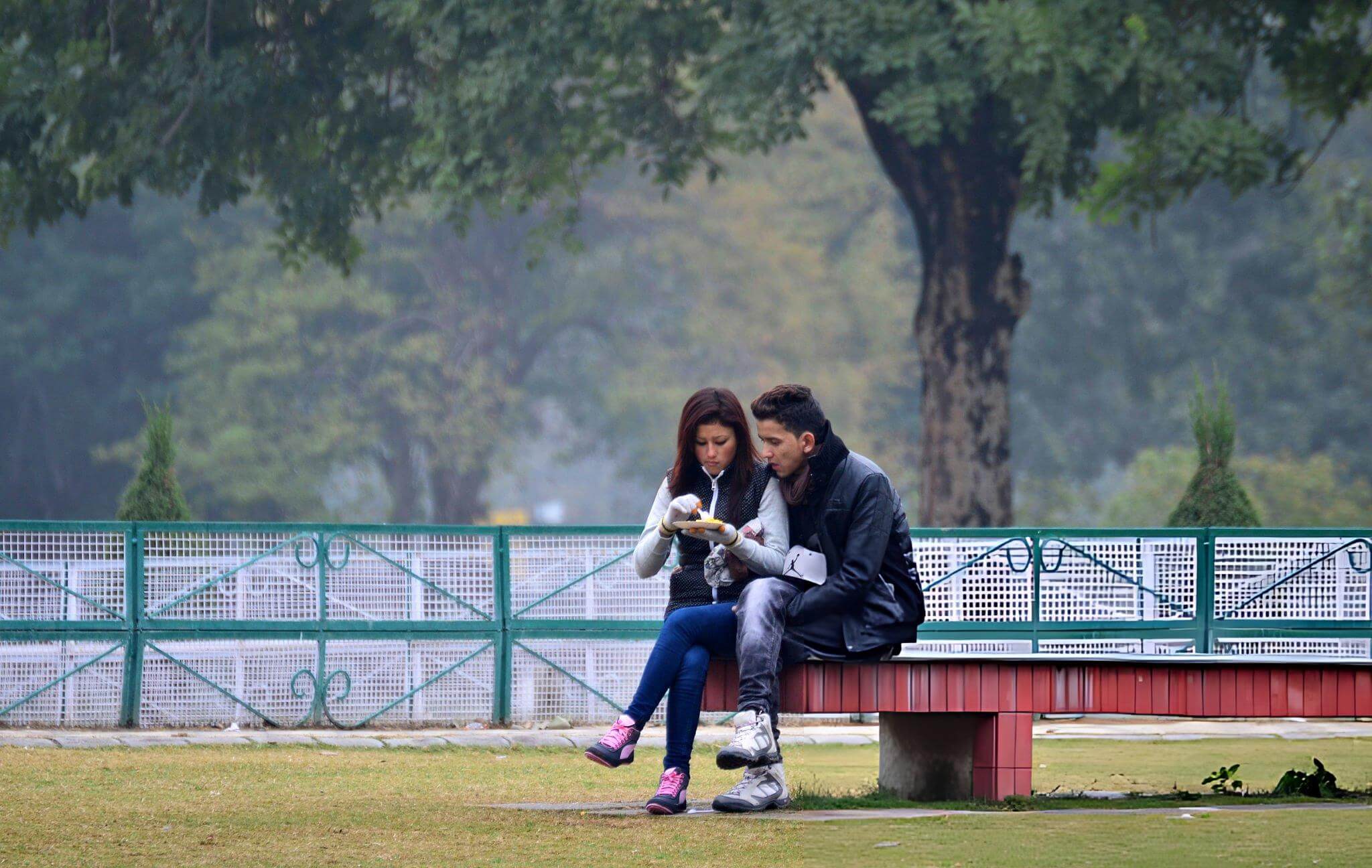
There is no shortage of date ideas on the internet. Search for them and you’ll find hundreds. Romantic date ideas. Cheap date ideas. At-home date ideas. Rainy-day date ideas. Date ideas beginning with every letter of the alphabet. If a lack of ideas were the problem, couples would never spend another evening wondering what to do.
And yet we do. Perhaps that’s because the problem isn’t really finding things to do. It’s that somewhere between finding an idea and actually doing it, adult life gets involved. The restaurant needs a reservation. The pottery class is only available next Saturday. Someone has an early meeting tomorrow. The interesting place is an hour away. We’ll do it next weekend. We should definitely plan something for next month.
Eventually, even having fun together becomes something that needs to be scheduled.
We’ve become very good at planning our relationships
This is understandable. Adult relationships involve logistics. There are jobs, families, children, household responsibilities, social commitments and a seemingly endless collection of things that need to be done.
So we plan the enjoyable parts too. We book holidays months in advance. We make anniversary reservations. We schedule dinner with friends. We buy concert tickets. We put date night on the calendar.
There’s nothing wrong with any of this. Anticipating a holiday or looking forward to dinner on Saturday can be wonderful. But think about some of your favourite memories with your partner. How many of them happened exactly according to plan?
Quite often, the stories that survive are the deviations. The restaurant was full, so you ended up eating somewhere strange. You missed the train and spent two unexpected hours together. You went out for one drink and came home at 2 AM. You saw a road and wondered where it went. You got caught in the rain. Someone suggested something ridiculous and the other person said yes.
We remember these moments partly because we didn’t know they were going to happen.
Spontaneity becomes harder when you know each other well
At the beginning of a relationship, spontaneity requires almost no effort because so much is uncertain. You don’t know where the evening is going. You don’t know whether you’ll see each other tomorrow. You don’t even know the other person particularly well.
Years later, uncertainty has been replaced by familiarity. That’s largely a good trade. There is enormous comfort in knowing someone deeply and building a life with them.
But familiarity also means that evenings can begin to write themselves.
You know where you’ll probably eat. You know what you’ll probably watch. You know roughly what time you’ll go to bed. You may even know which one of you will suggest ordering dessert and which one will initially say no before eating half of it.
There’s nothing unpleasant about this. That’s precisely why routine is so powerful: it works. The danger is simply that when everything works, we stop interrupting it.
Spontaneity doesn’t have to be spectacular
When we think about being spontaneous, we tend to imagine dramatic gestures. Book a flight tonight. Take an impromptu road trip. Show up at the airport with no destination in mind.
That sounds exciting. It also sounds expensive and slightly inconvenient.
Most spontaneity can be much smaller. Go out for dessert after you’ve already had dinner. Take a walk at midnight. Put some music on and dance while you’re supposed to be cleaning up. Make cocktails on a Tuesday. Get into the shower together. Take the long route home. Call in sick to your usual television routine and play cards instead. Kiss your partner while they’re in the middle of telling you something completely unromantic.
None of these requires you to reorganise your life. They just require something to happen that wasn’t going to happen five minutes earlier.
The best spontaneous question might be “Why not?”
Adults are exceptionally good at finding reasons not to do things. It’s late. It’s a weekday. We already ate. It might rain. I’m tired. We can do it on Saturday. We should probably finish this first. All perfectly reasonable. But sometimes the difference between an ordinary evening and a memorable one is simply that someone proposes something unnecessary and the other person doesn’t immediately explain why it’s impractical.
“Want to go get ice cream?”
Why not?
“Want to dance?”
Why not?
“Want to go somewhere?”
Why not?
“Want to try this?”
Why not?
You don’t have to become the sort of couple who wakes up on Wednesday and decides to fly to Bali. You just need to occasionally stop protecting your routine quite so fiercely.
Someone still has to have the idea
There is, however, an annoying problem with all this advice. Telling people to “be more spontaneous” is a little like telling them to “be funnier”. If you have to sit down and think of spontaneous things to do, they’re not feeling particularly spontaneous anymore.
This may be why so many evenings begin with good intentions and end with Netflix. One person says, “Let’s do something.” The other says, “Okay, what?” And suddenly the entire universe of possible human activity needs to be narrowed down to one answer.
Nobody has one. The television goes on. Perhaps spontaneity doesn’t require you to constantly invent ideas. Perhaps you just need ideas to appear at the right moment.
Someone sends you a message. You see something happening nearby. Your partner suggests something unexpected. You draw an idea from a jar. An app gives you five things you could do.
The source of the suggestion isn’t particularly important. What matters is that a possibility has entered an evening that previously had none. Now you only have to decide whether to say yes.
Leave some evenings unfinished
We schedule because schedules make life manageable. But perhaps not every free evening needs to arrive with a plan. Leave a little empty space.
Don’t decide what you’ll do after dinner. Don’t automatically start the next episode. Don’t assume that because it’s Wednesday, Wednesday must look exactly like last Wednesday.
See what happens. And if nothing happens, introduce something. Make something together. Go somewhere. Play something. Touch each other. Try something you’ve never done. Do something mildly ridiculous. Surprise your partner. Let them surprise you.
The goal isn’t to manufacture a magical memory every night. Most spontaneous ideas will be completely forgettable. Some will be terrible. Occasionally you’ll wonder why you didn’t just watch television.
But every now and then, something will happen that the two of you talk about for years. And it may have begun with a question neither of you expected to hear that evening.
You can’t plan spontaneity. But you can make room for it. A long relationship needs routines. It needs predictability. It needs calendars, responsibilities and all the boring infrastructure that allows two lives to work together.
But perhaps it also needs a few gaps in the schedule. Moments where the next thing hasn’t already been decided. Moments where one person can suggest something and the other doesn’t immediately reach for the calendar.
Moments where the answer can simply be: Why not?
Because perhaps you don’t need another list of date ideas. You need an unexpected idea, at the right moment, and someone you still enjoy saying yes to.
Spurkle gives couples 3-5 sparks to choose from every day. You don’t have to think of something. You just have to pick one.